JÜRGEN BALDIGA –
WIE DIE HÖLLE, SO DIE ERDE.
WO DIE HÖLLE, DA DIE ERDE.
HALLE FÜR KUNST LÜNEBURG
OKT 8, 2023 – FEB 4, 2024
CURATED BY ELISA R. LINN
IN COLLABORATION
WITH ARON NEUBERT
SUPPORTED BY
BETWEEN BRIDGES BERLIN
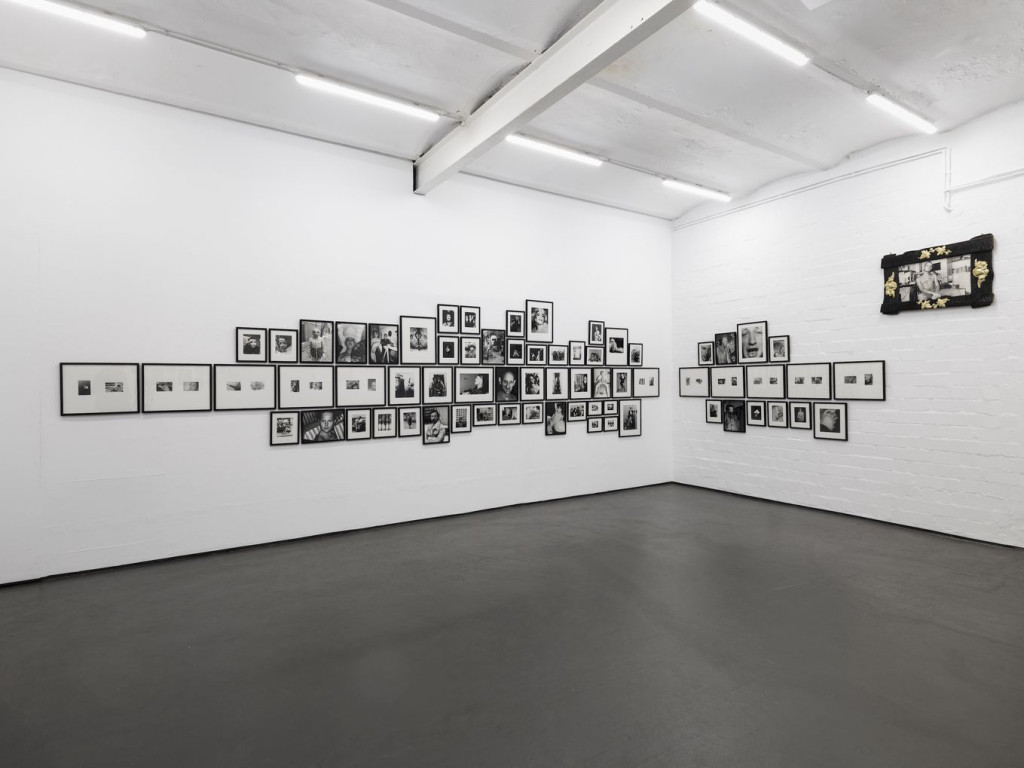
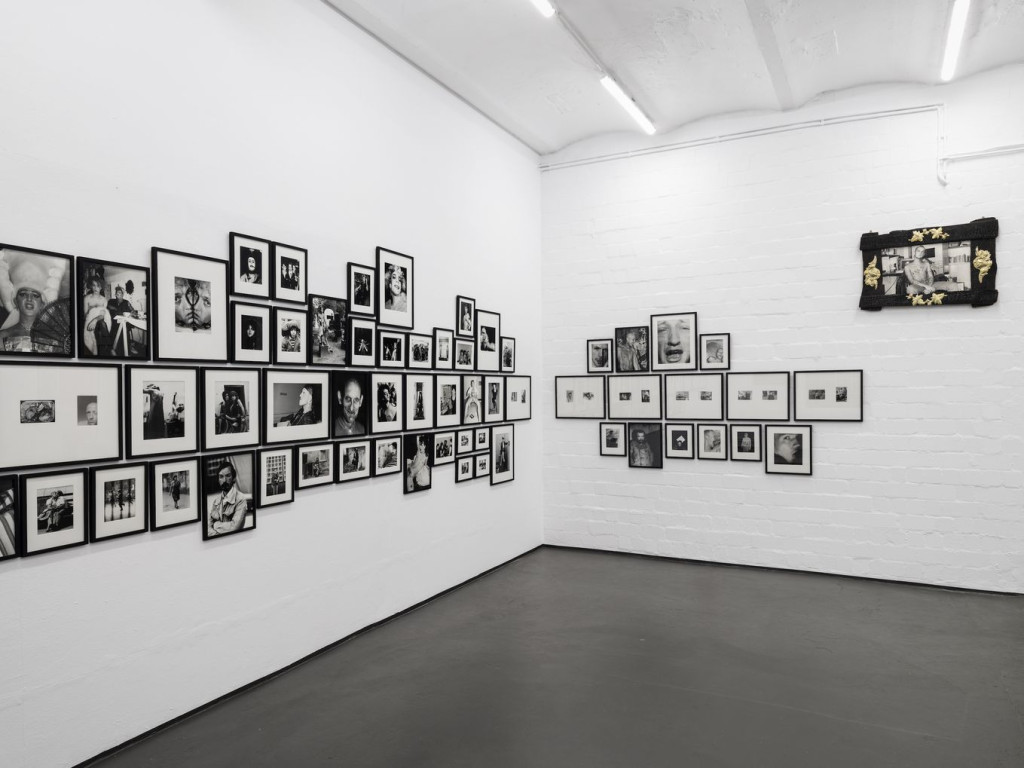
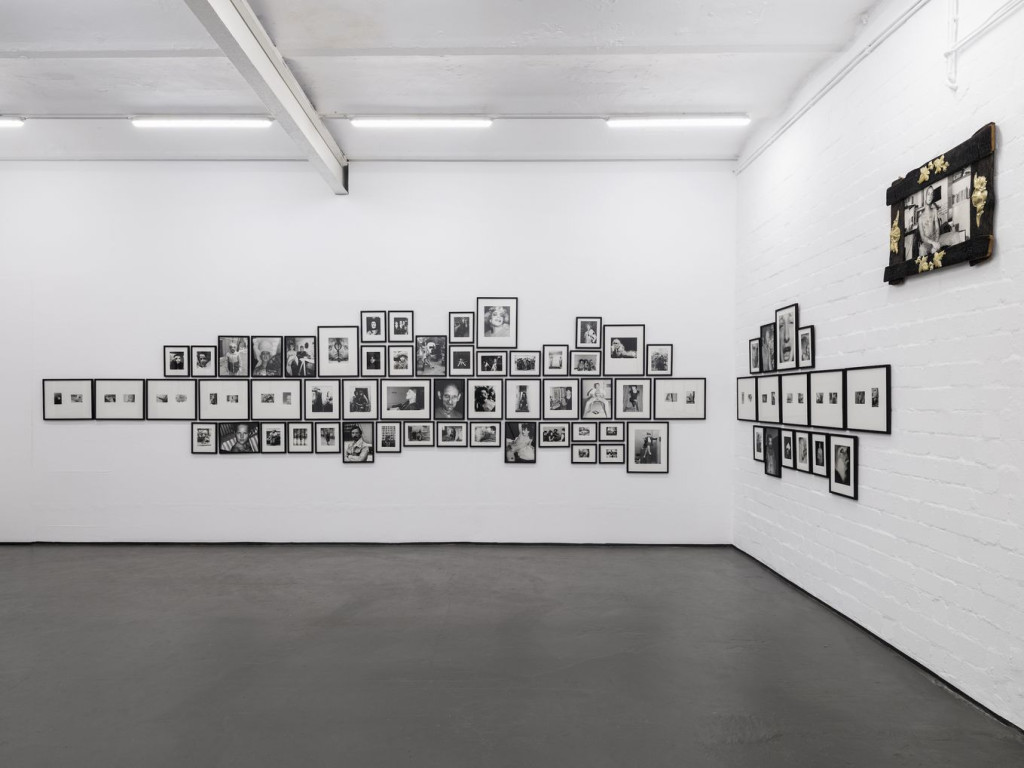
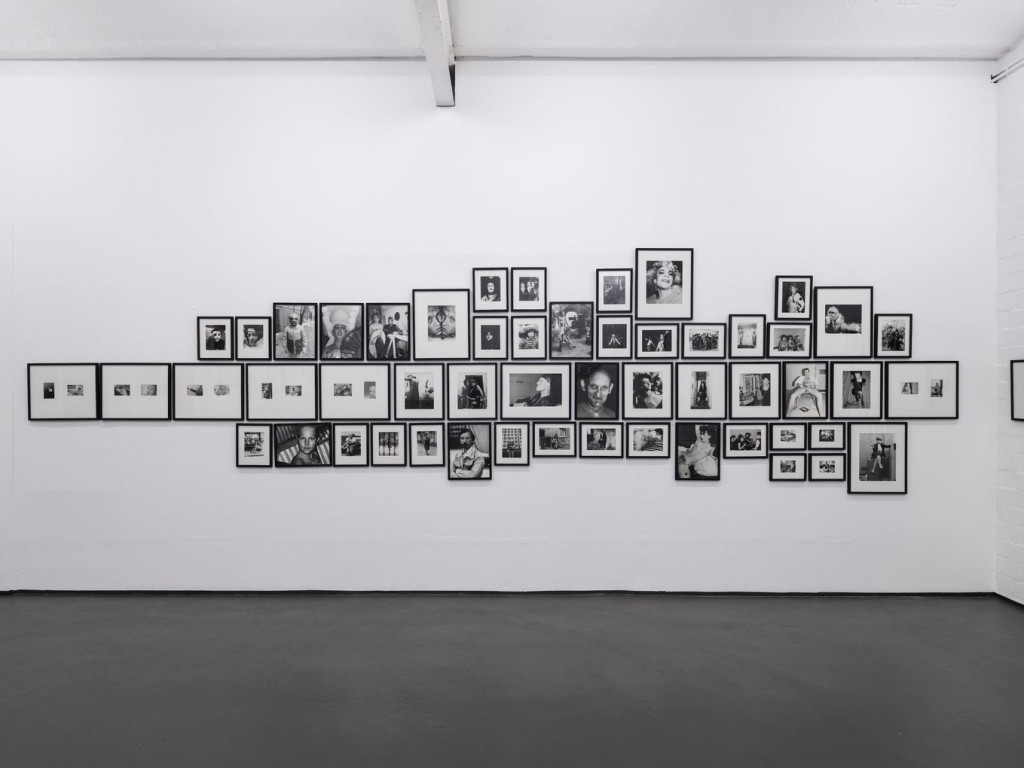
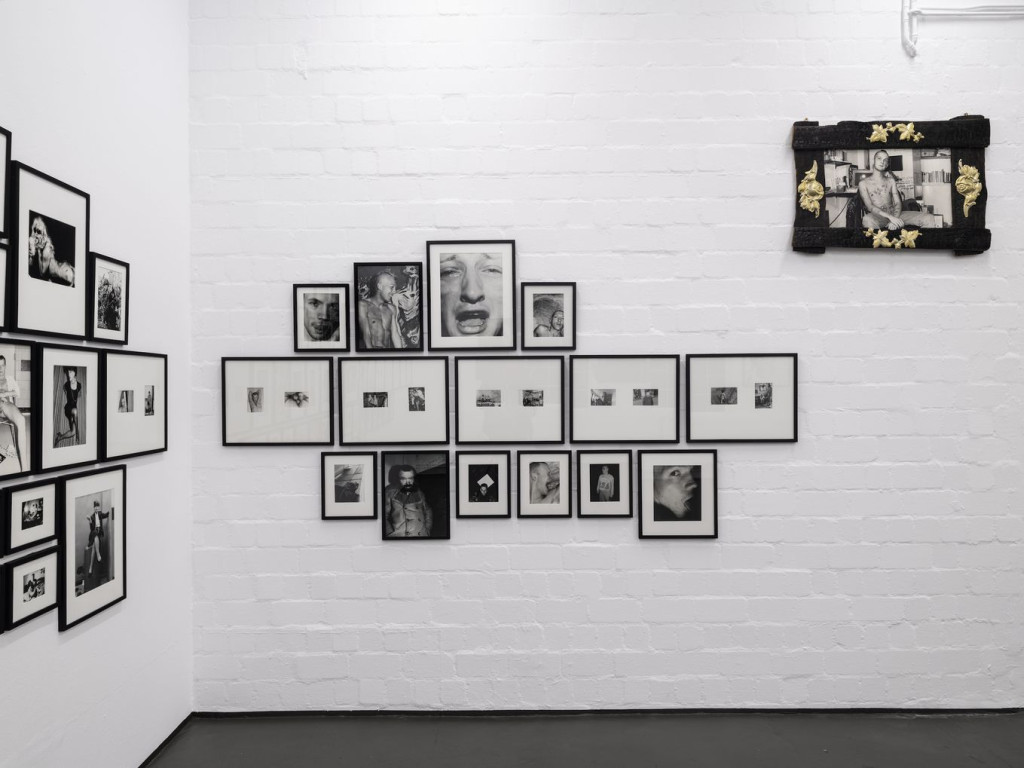
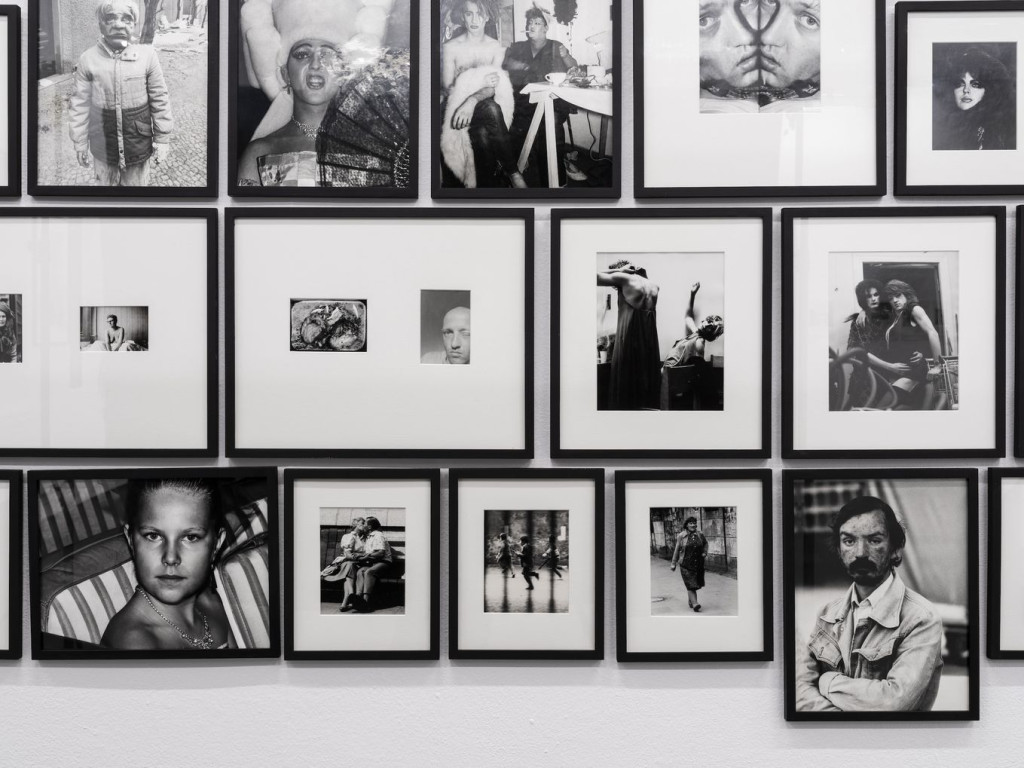
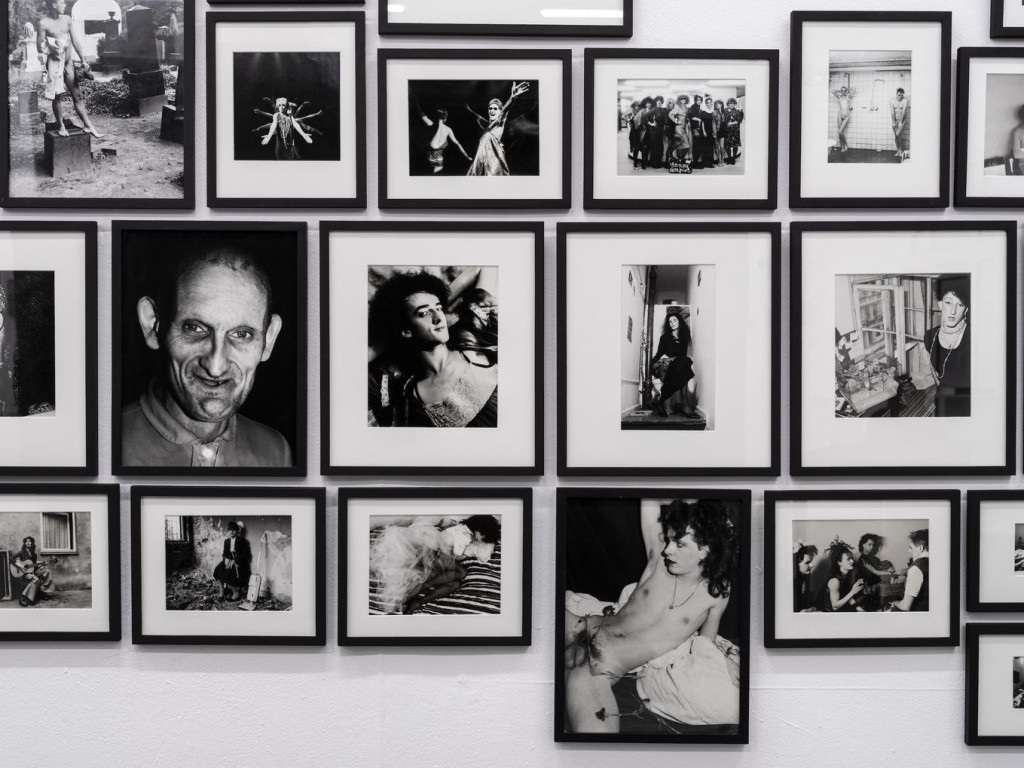
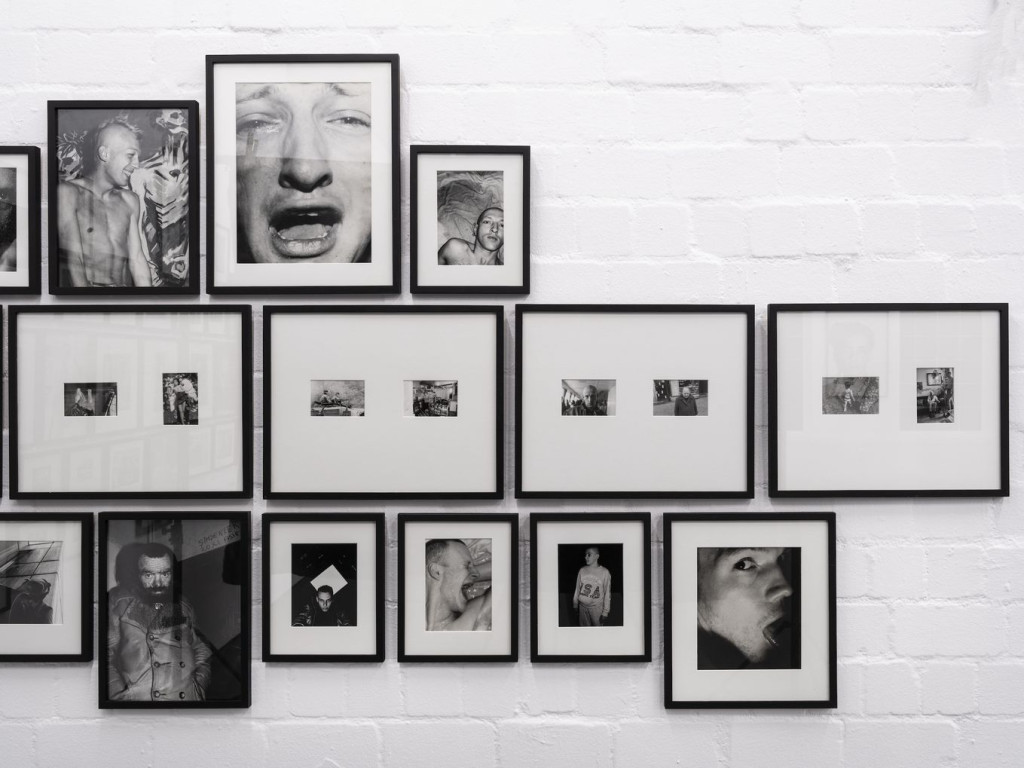
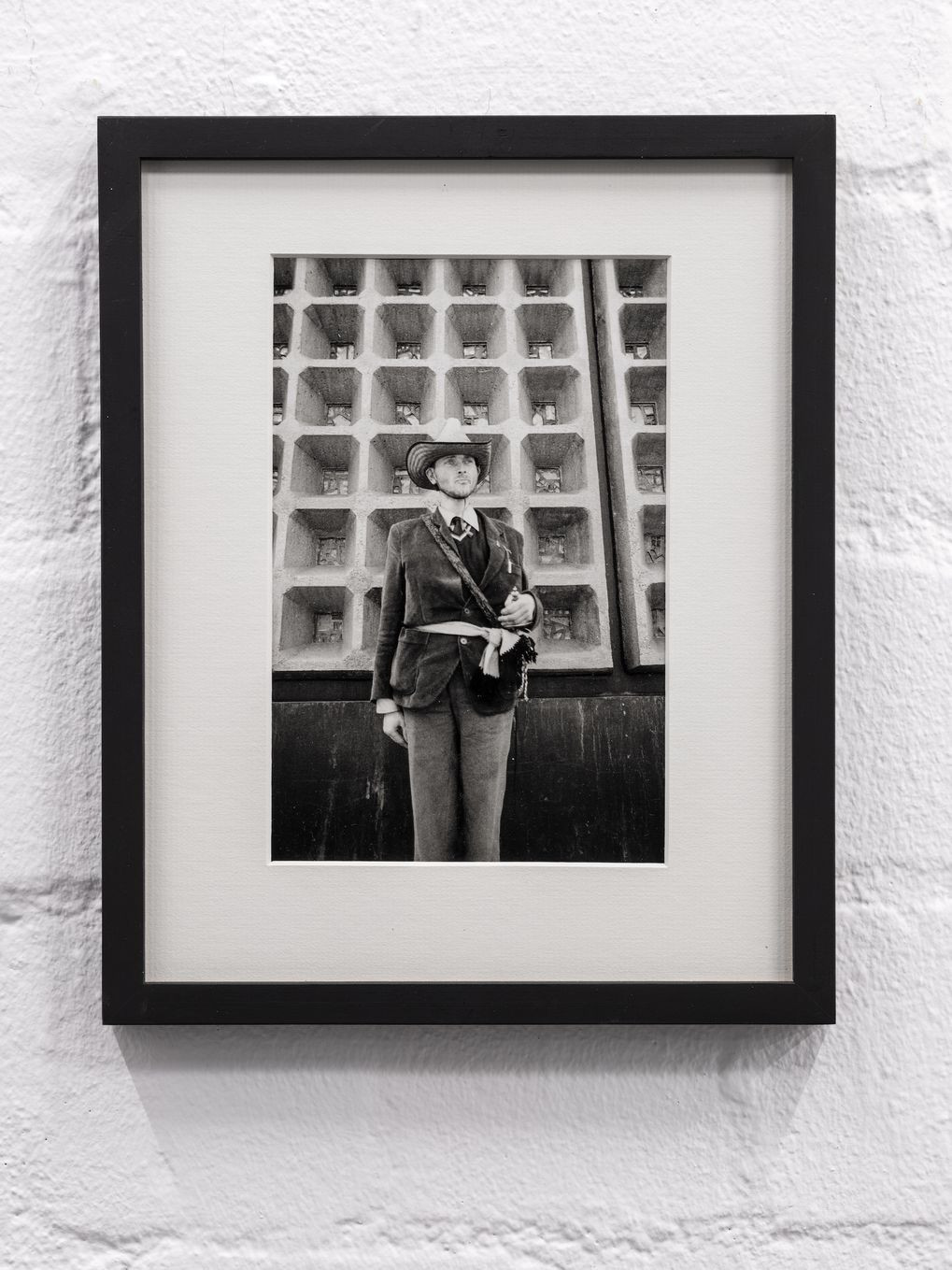
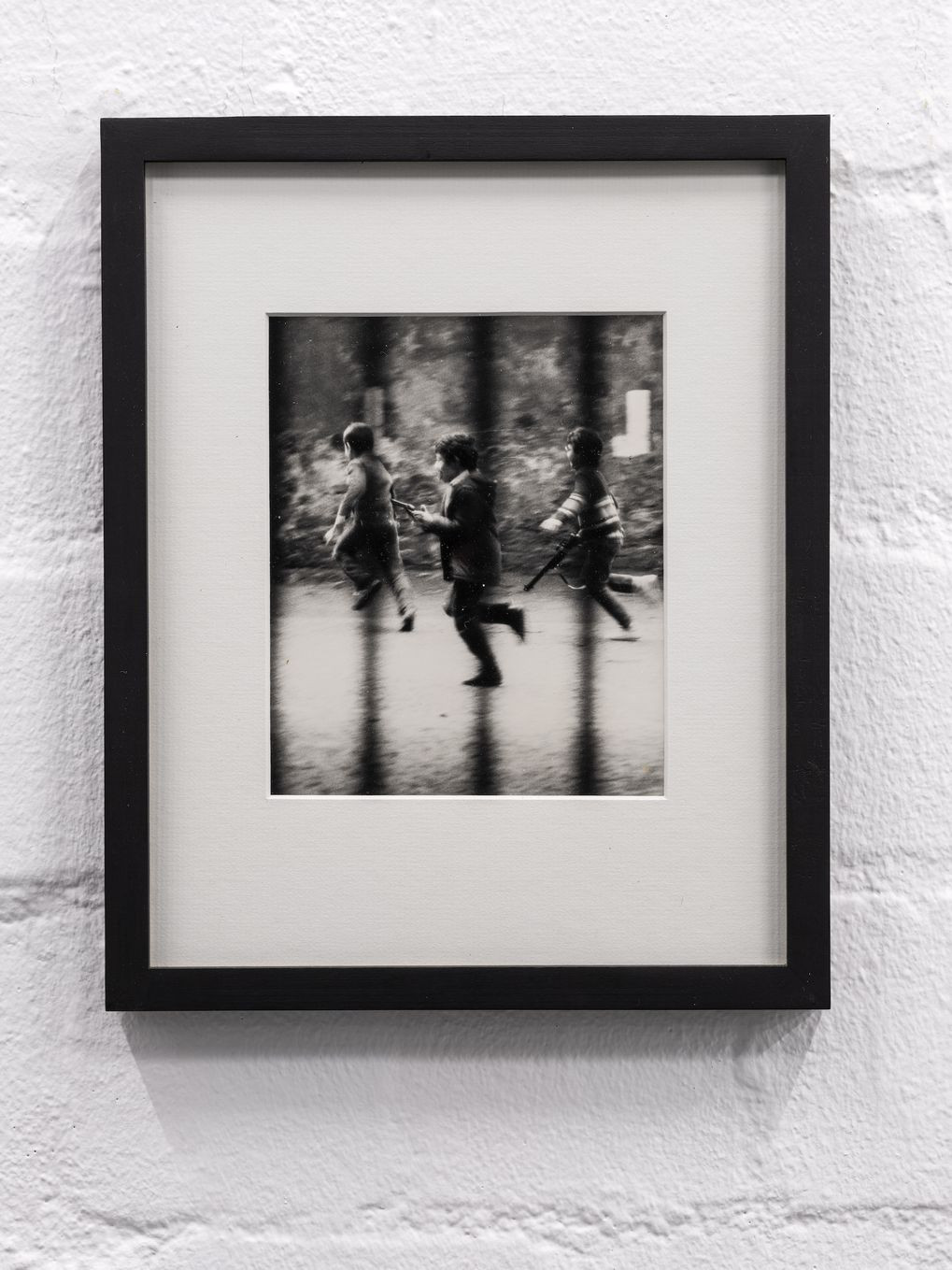
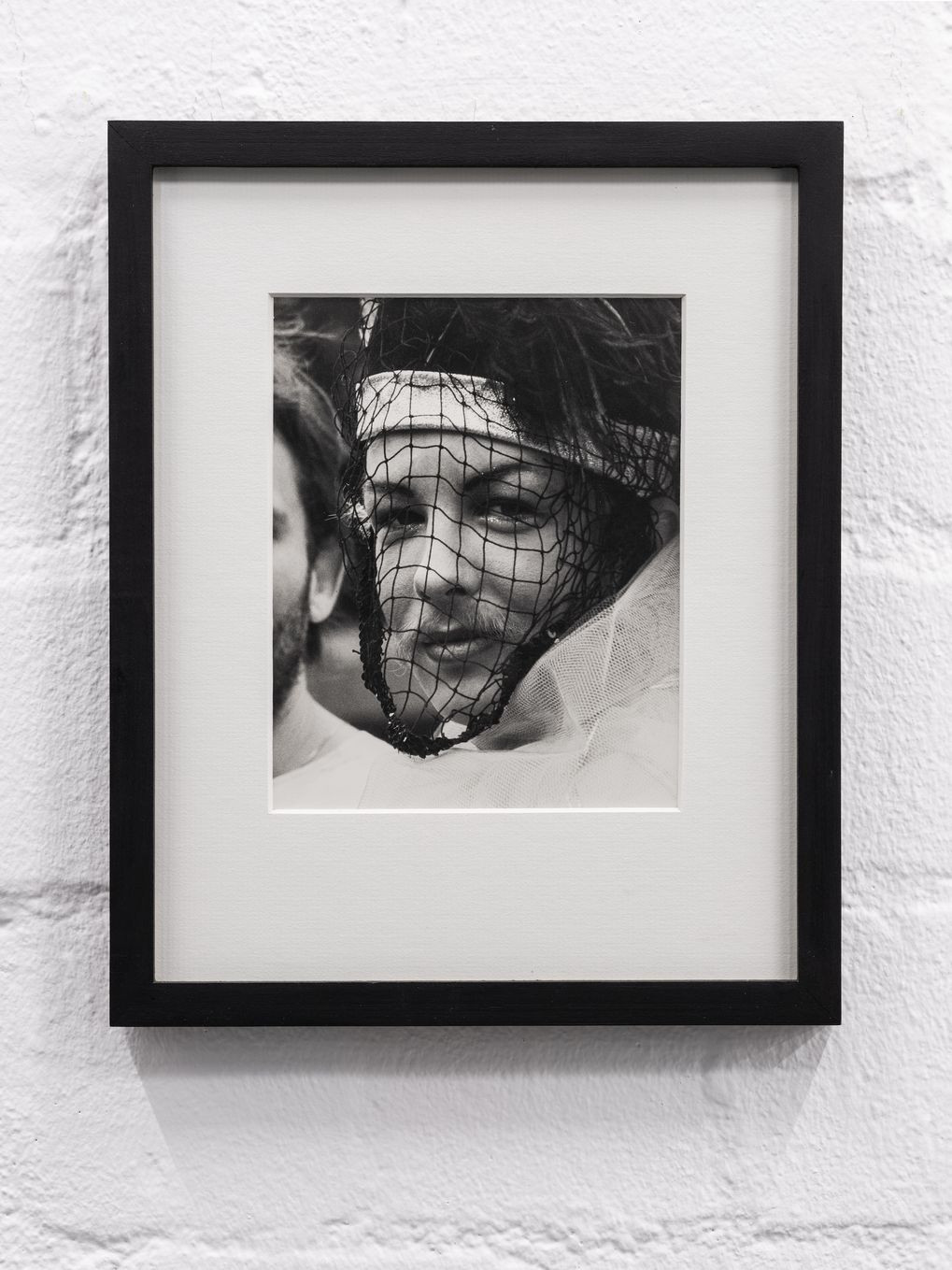
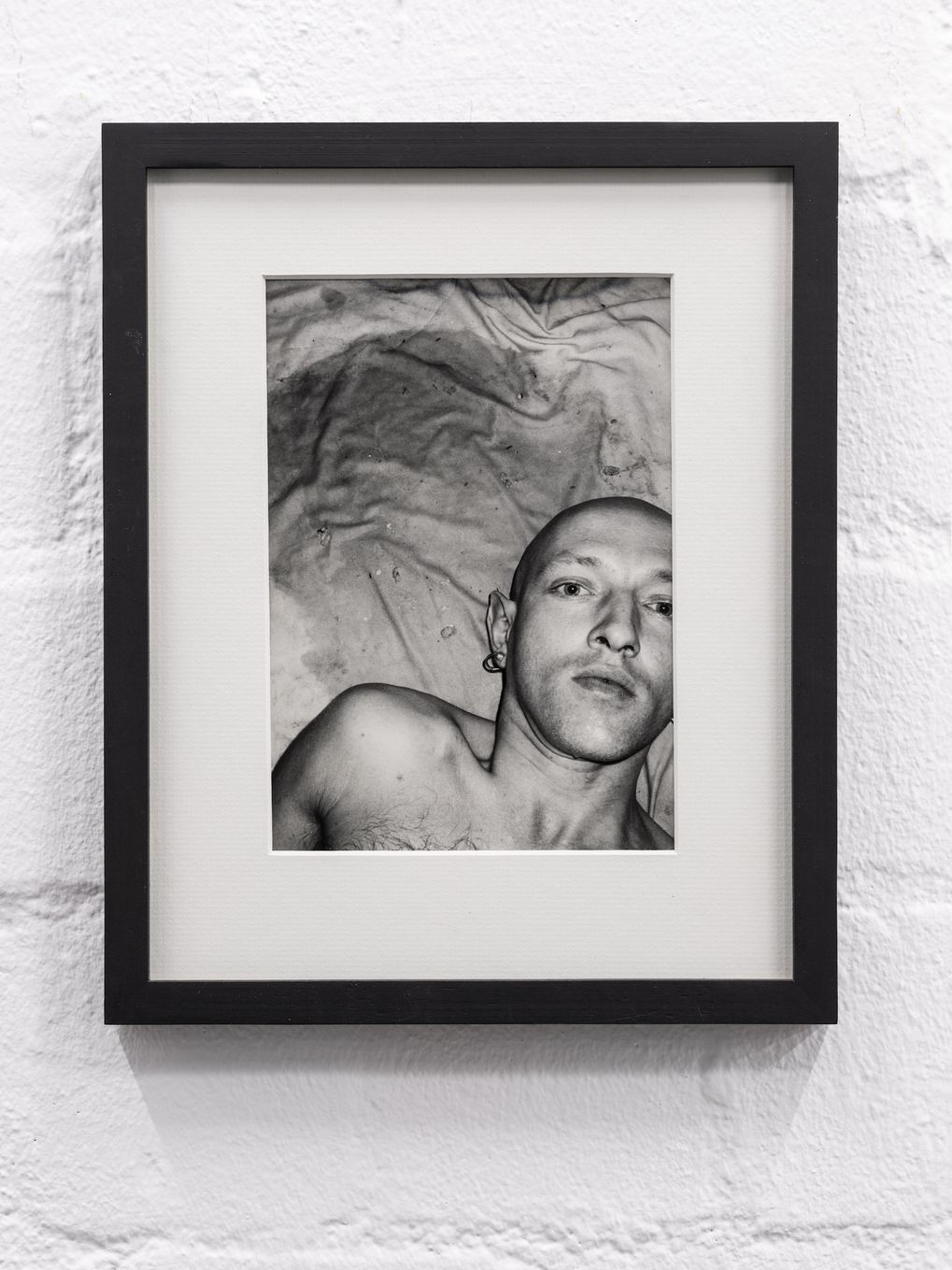
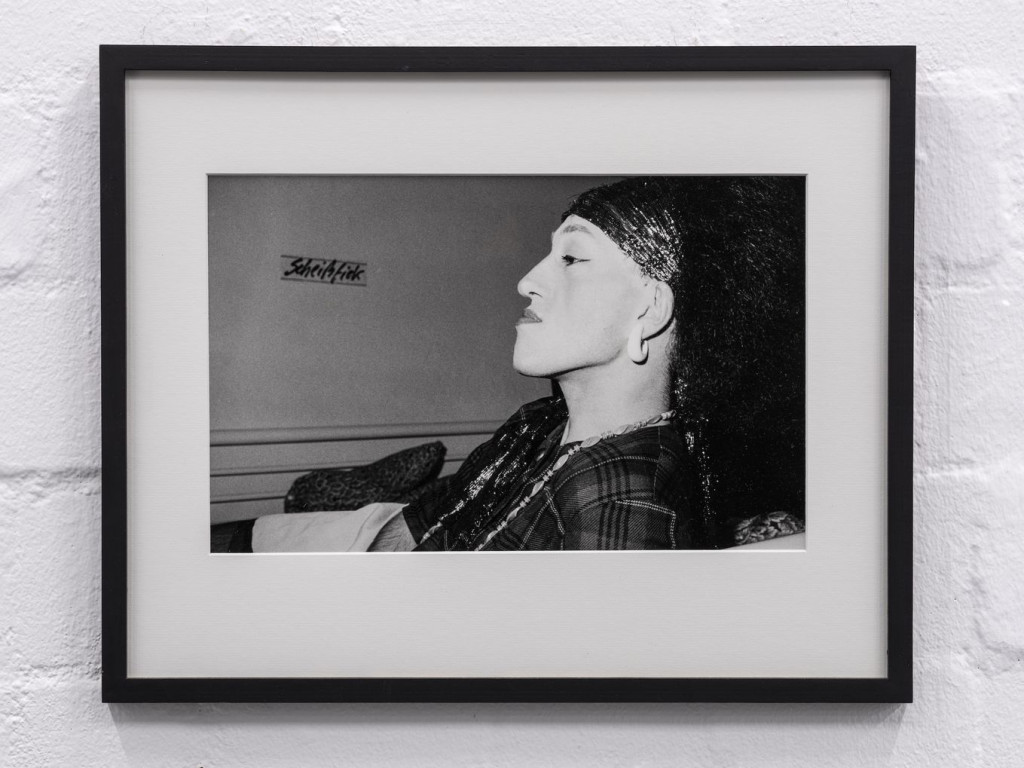
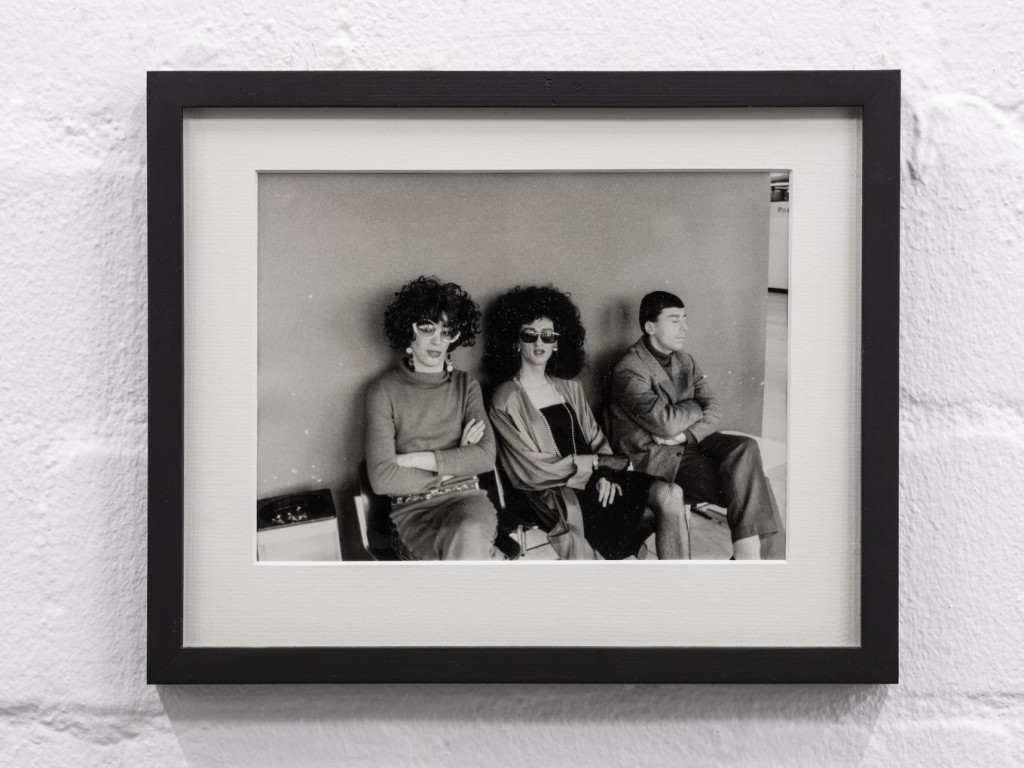
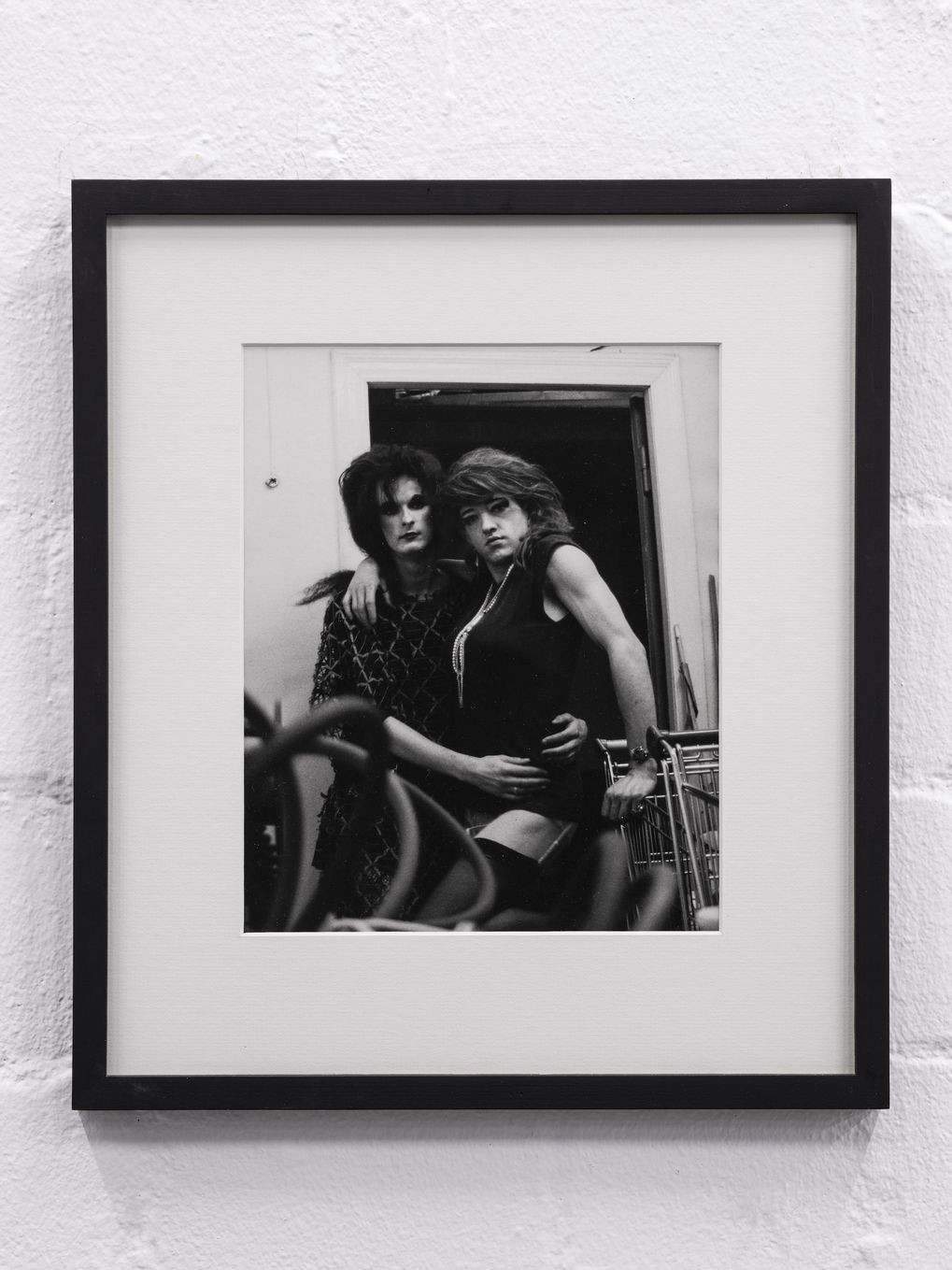
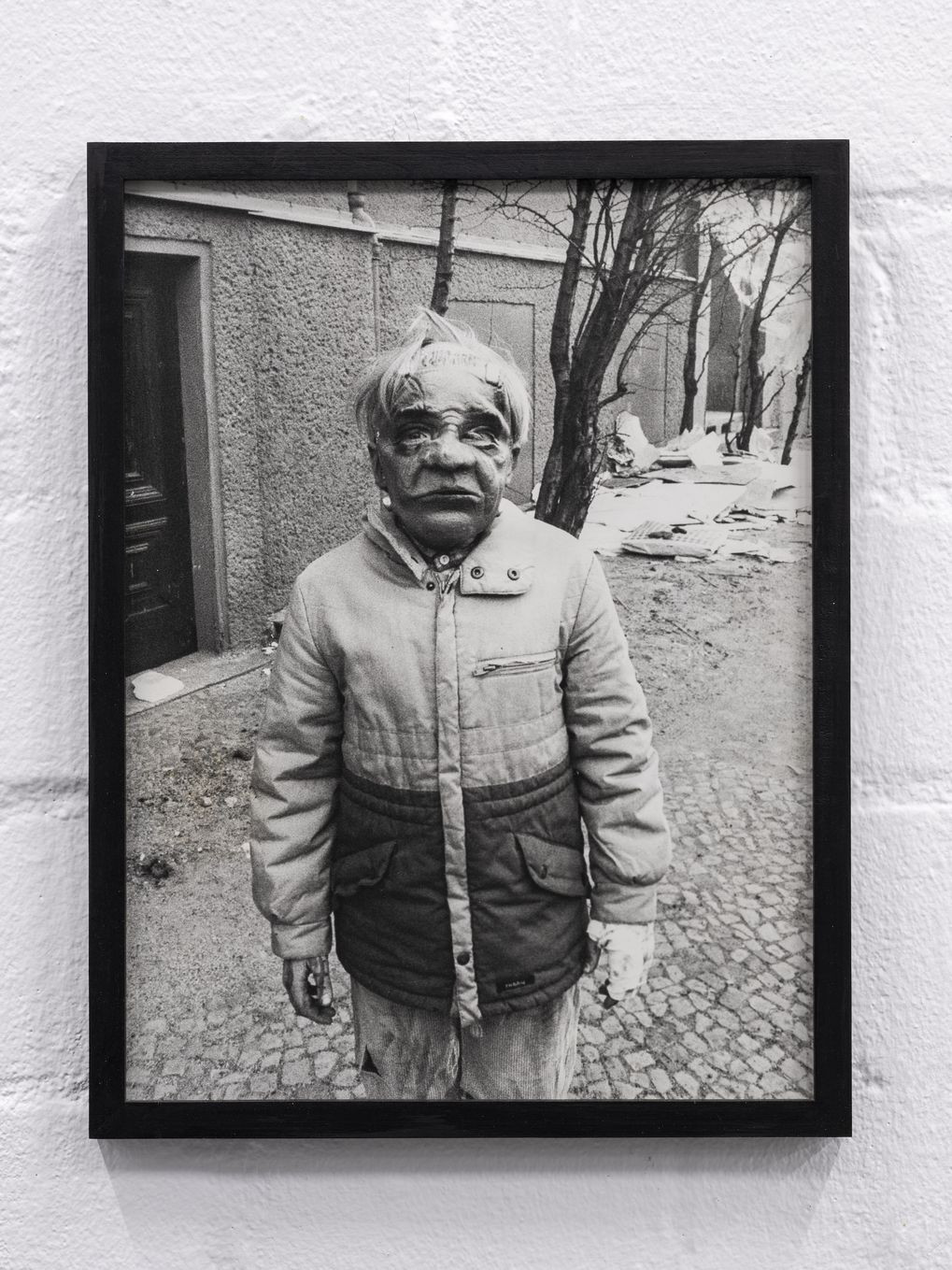
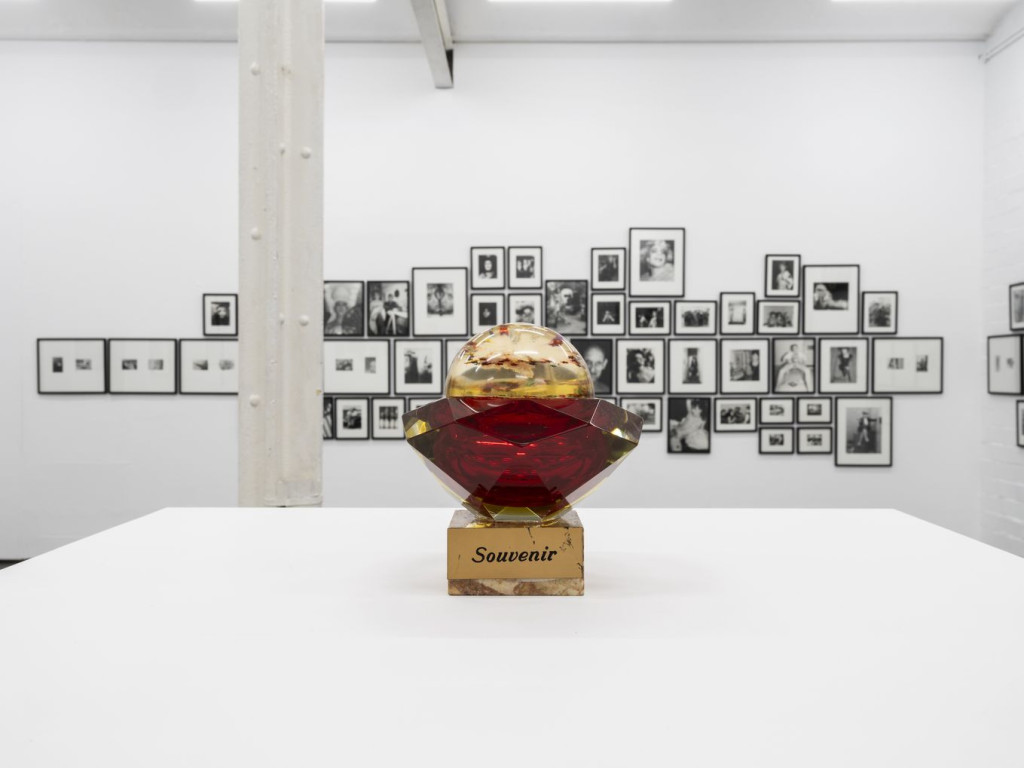

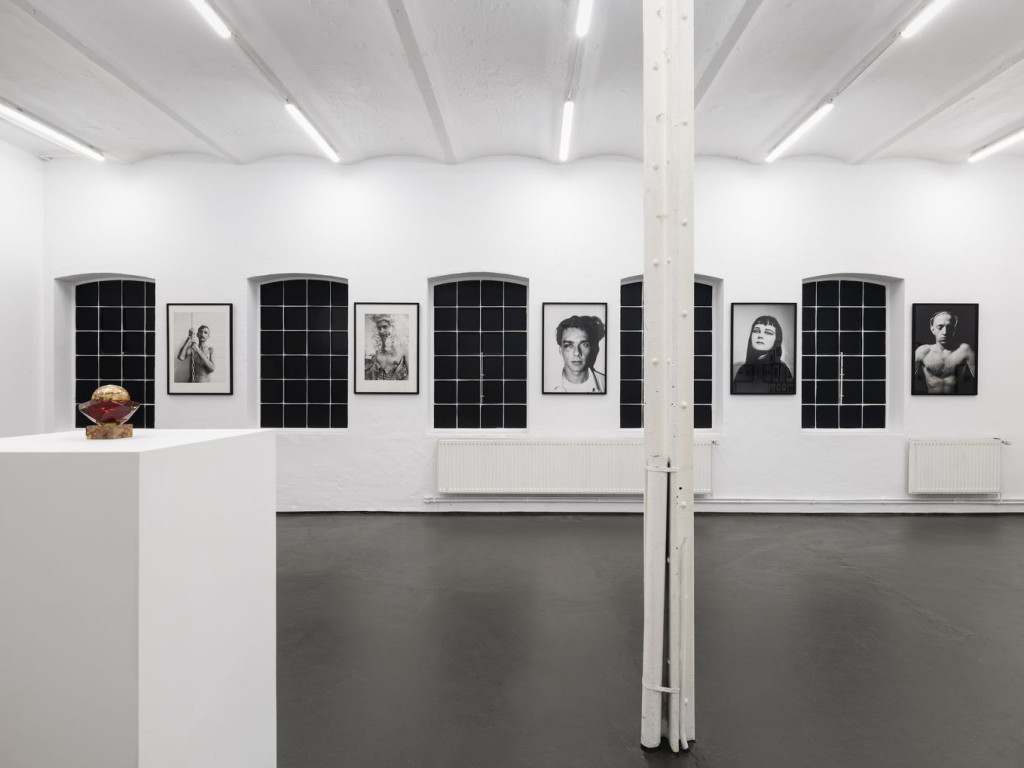
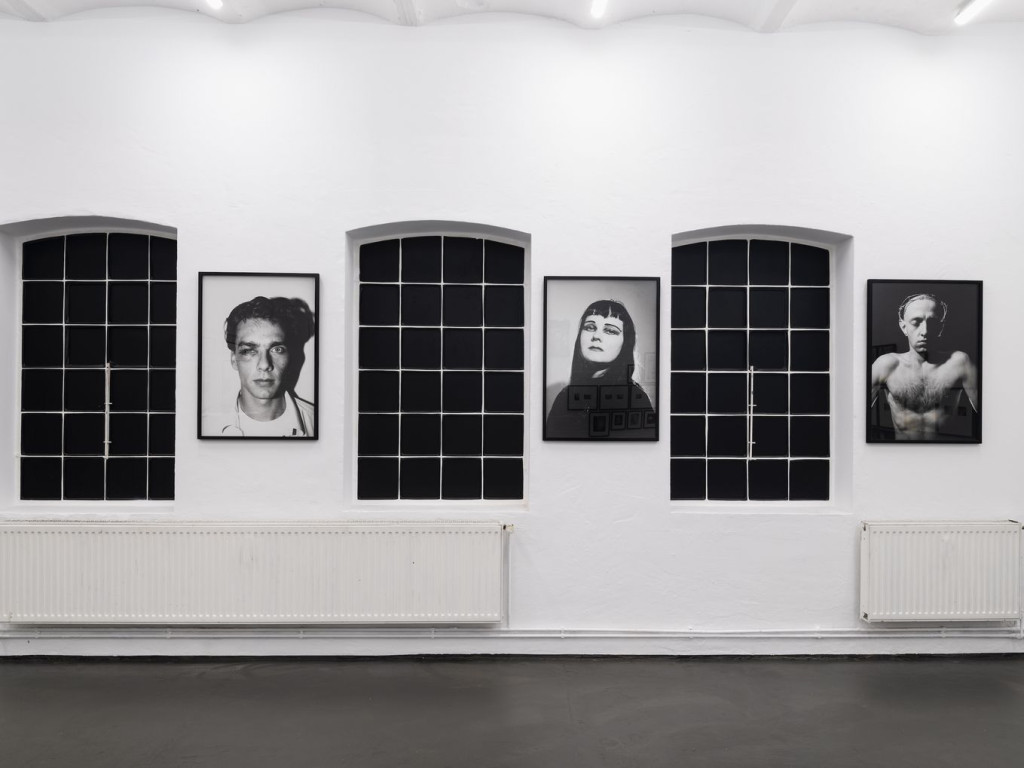
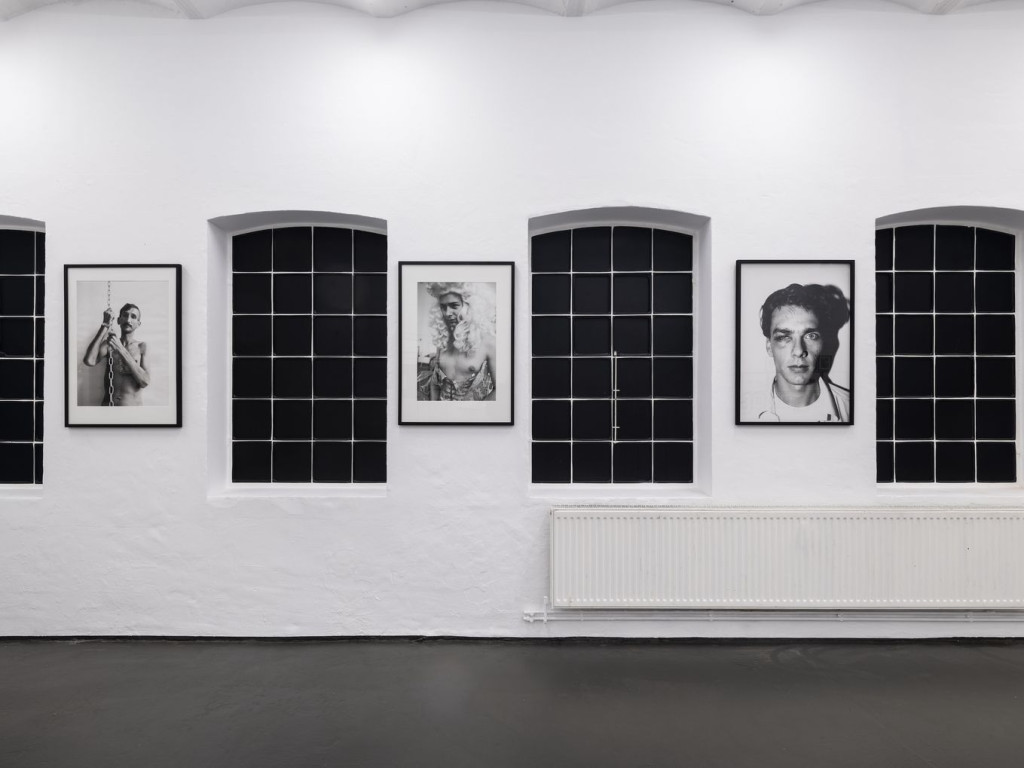
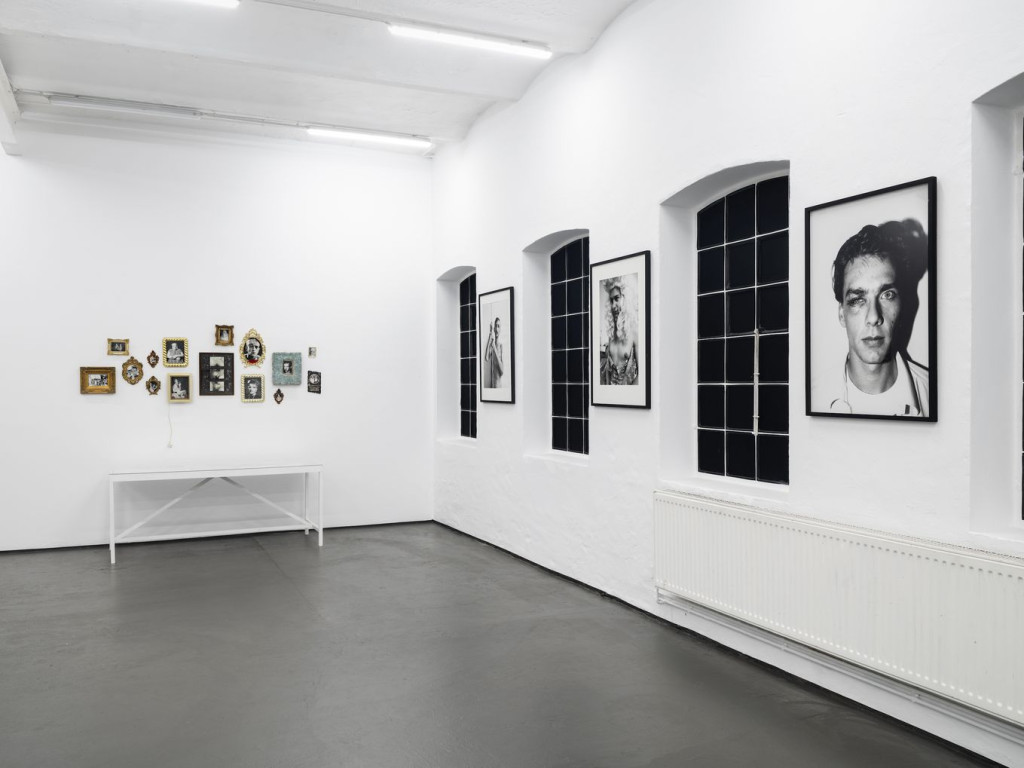
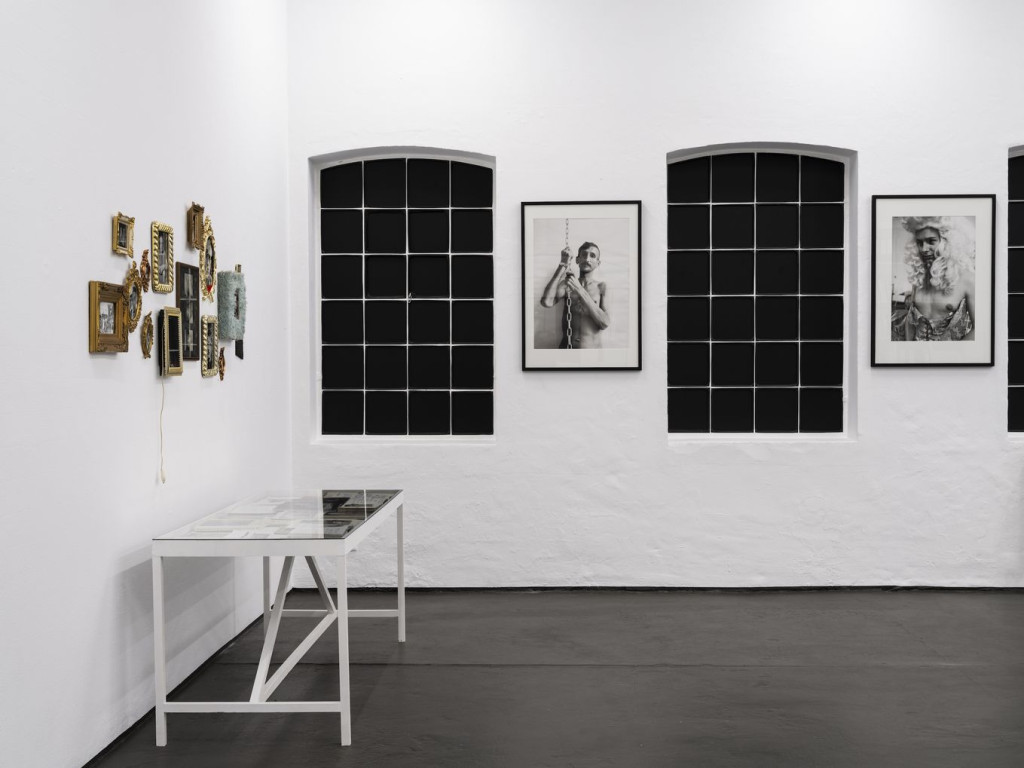
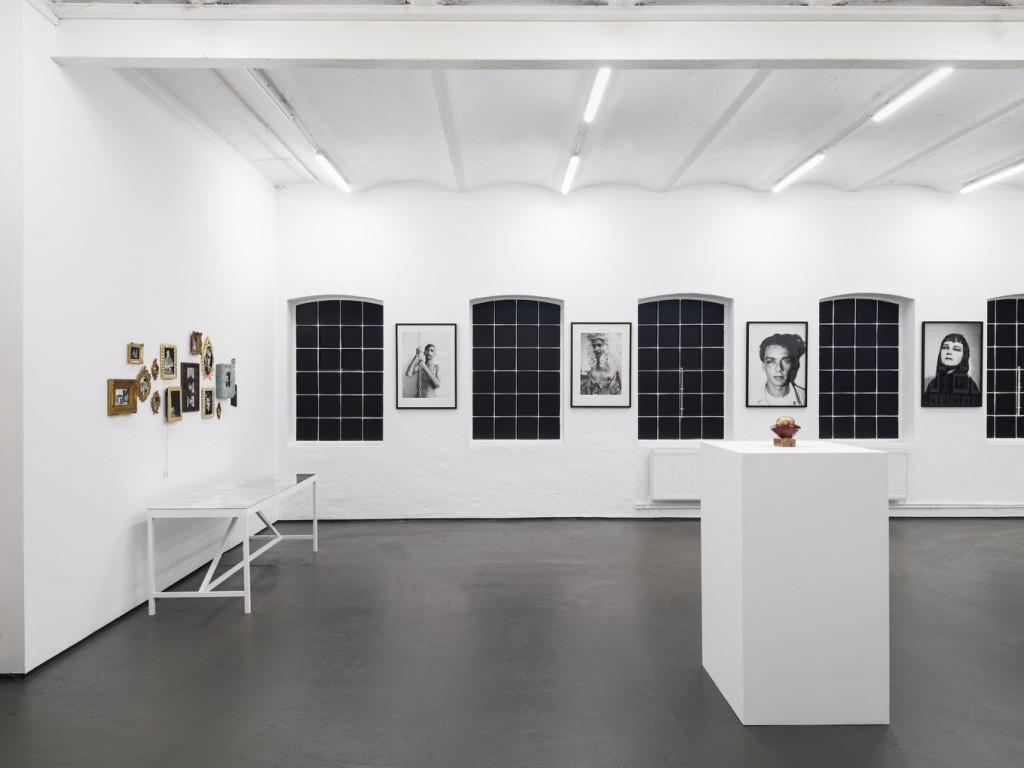
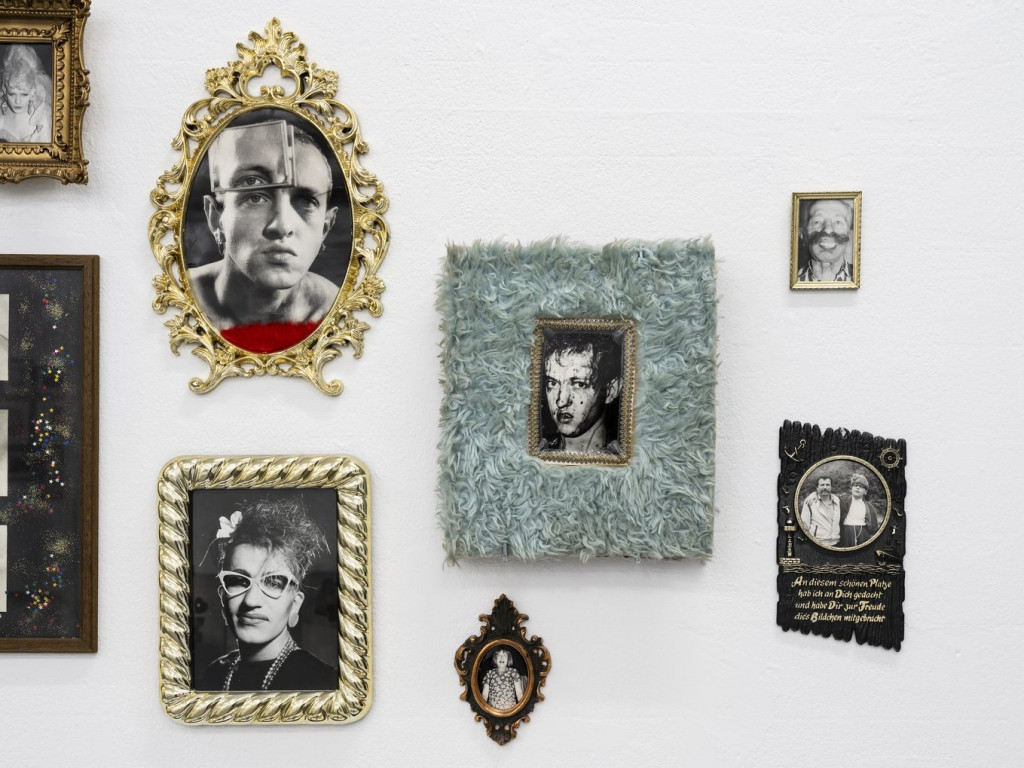
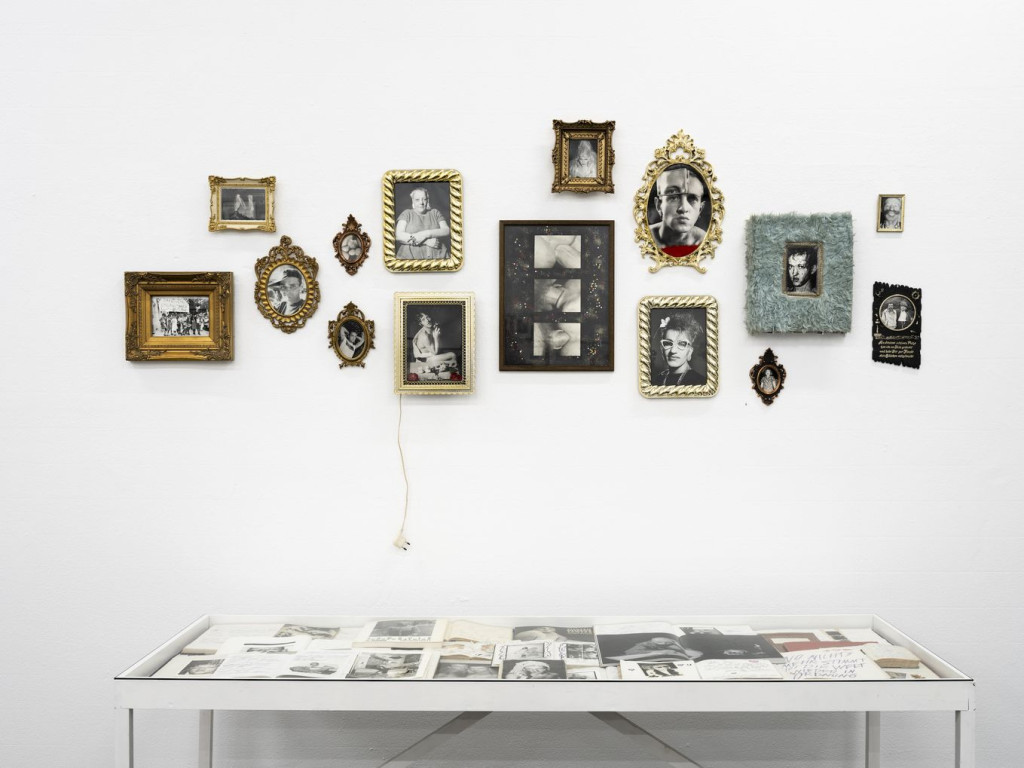
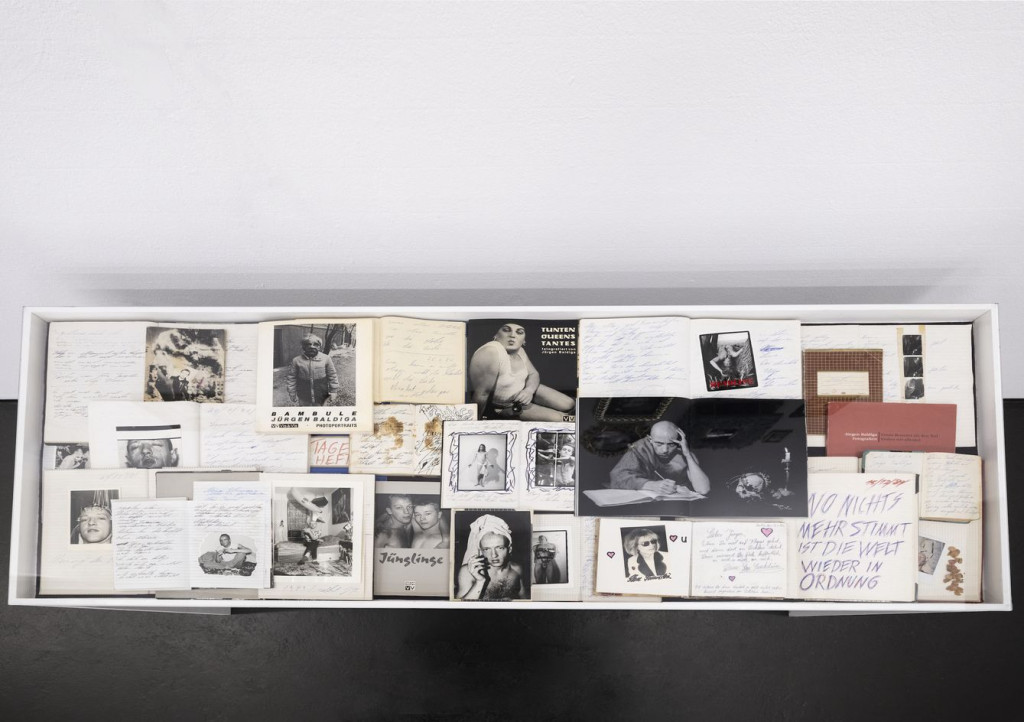
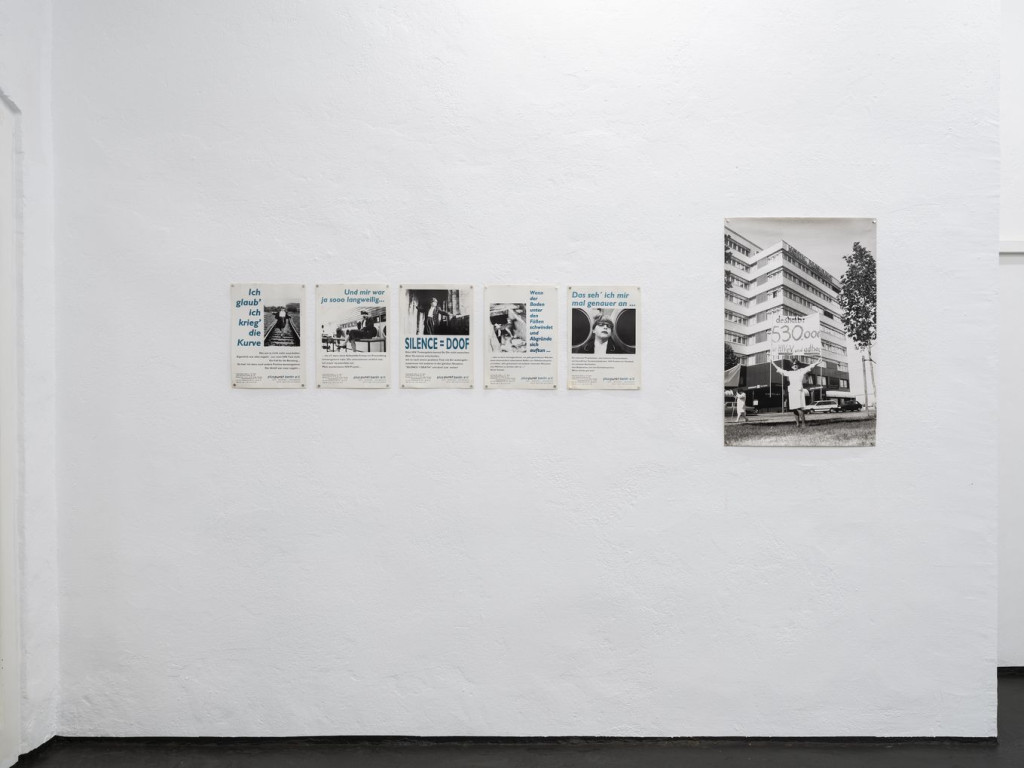
Jürgen Baldiga (*1959 in Essen, †1993 in Berlin) was not only a photographer, a chronicler of his time—the West Berlin gay, and “Tunten” scene during the AIDS crisis in the 1980s. He was also a poet, activist, and “cook / bartender / lover / prostitute / casual worker,” as he described himself in a diary entry.
His amateurish use of a reflex camera stemmed less from an ambition to become an aspiring photographic artist than from his decision in 1985, a year after his HIV diagnosis, to spend eight years depicting what would soon be gone. In Baldiga's words, “Since 1989 full (clinical) picture, or rather: never put off till tomorrow what you can do today.”
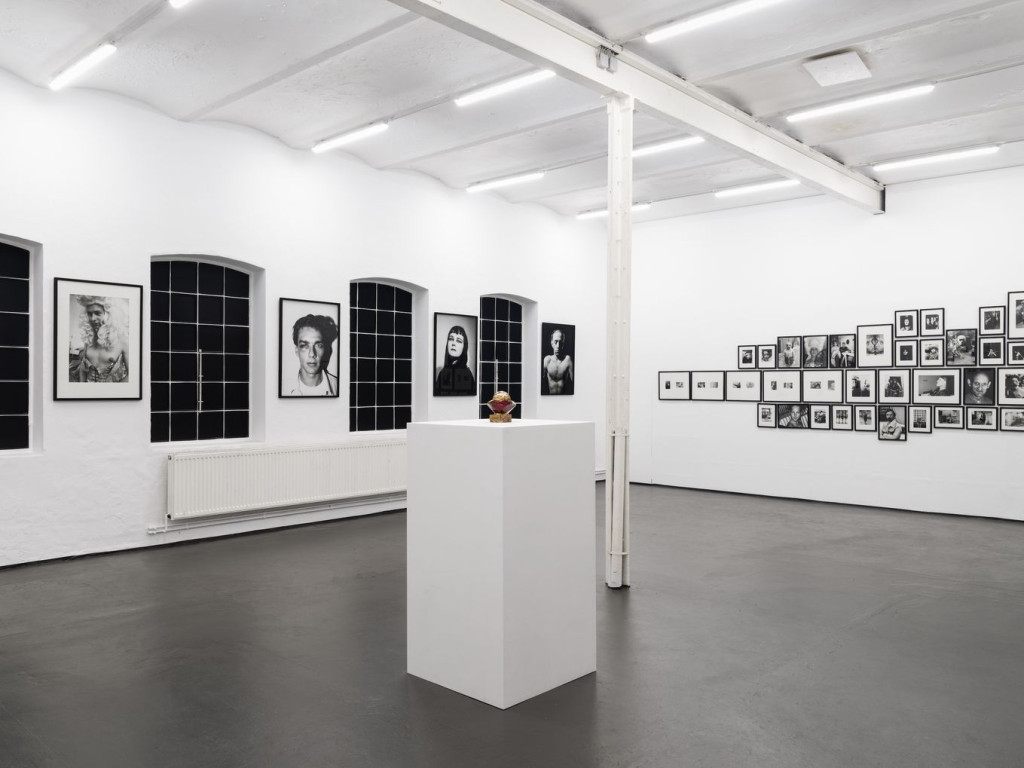
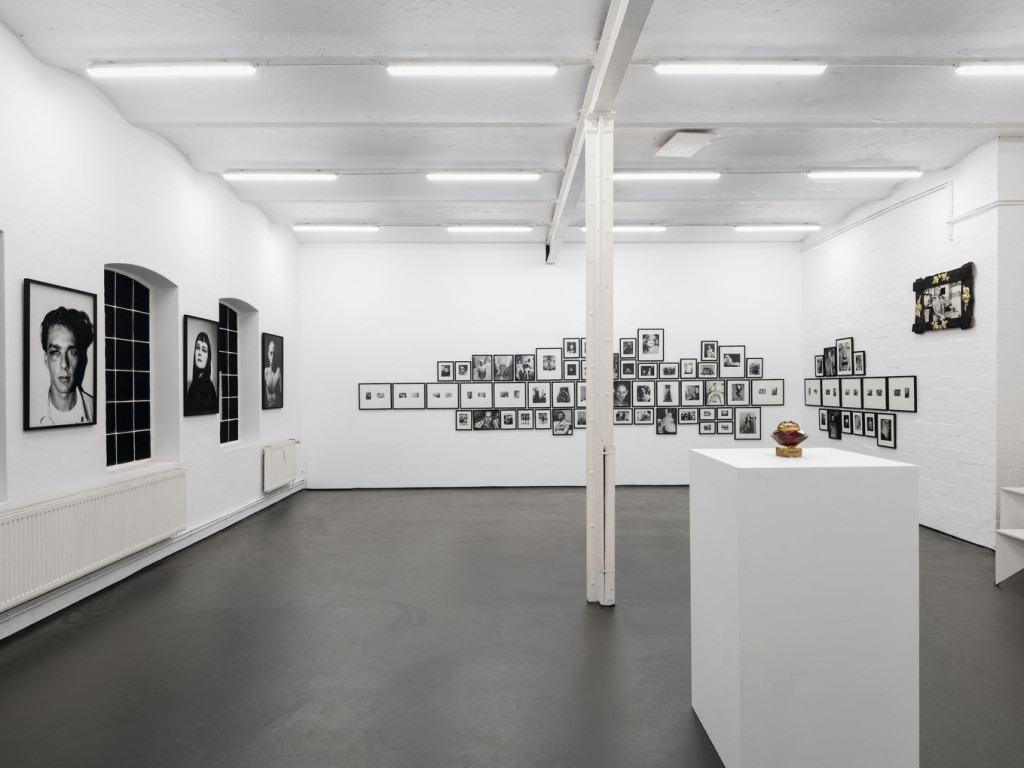
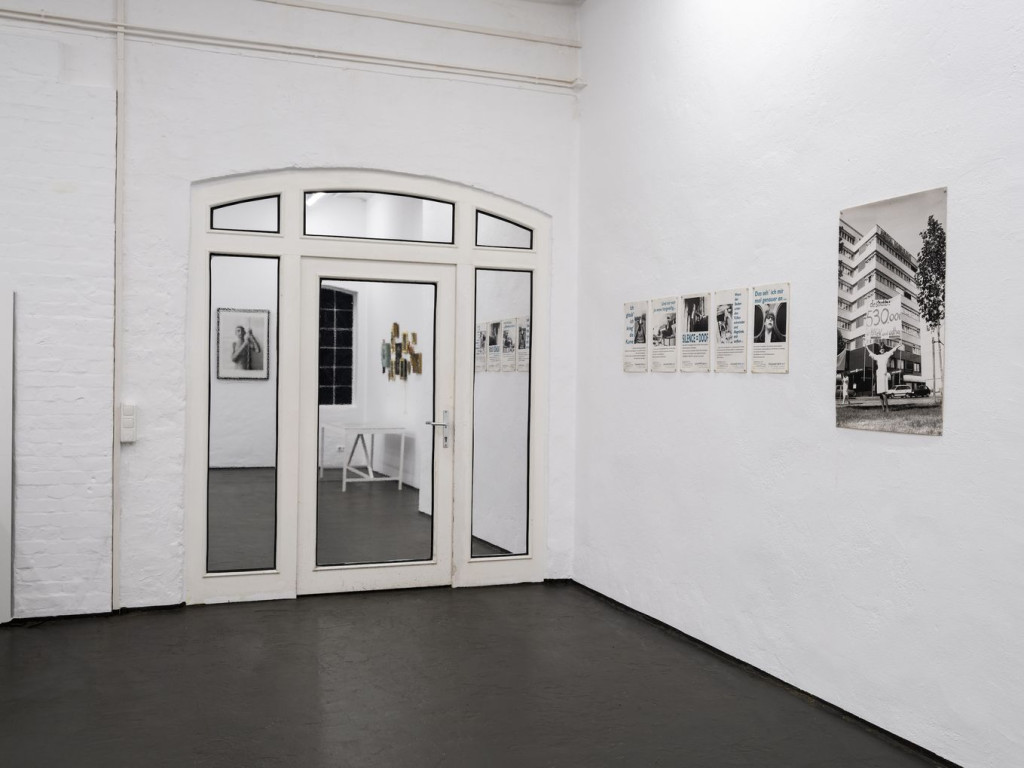
At the Halle für Kunst, Jürgen Baldiga's artistic and activist life practice, is being retraced in collaboration with the estate manager and artist Aron Neubert in a retrospective exhibition of his work, which the curator Frank Wagner once described as “radically realistic, without claiming to be authentic.”
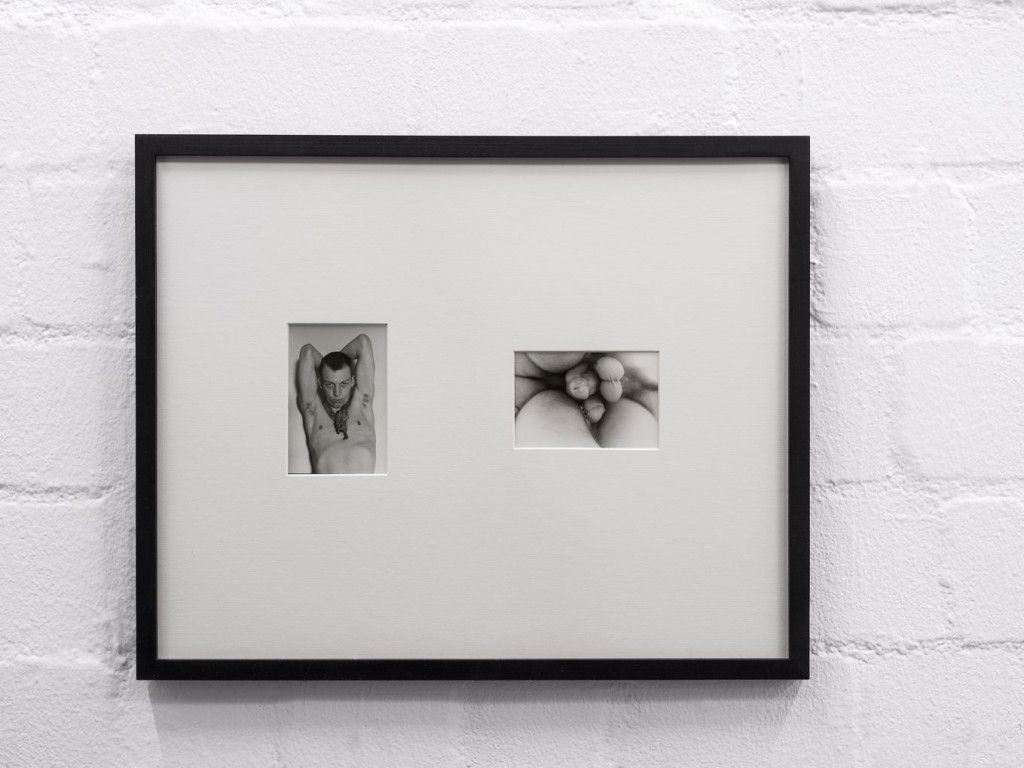
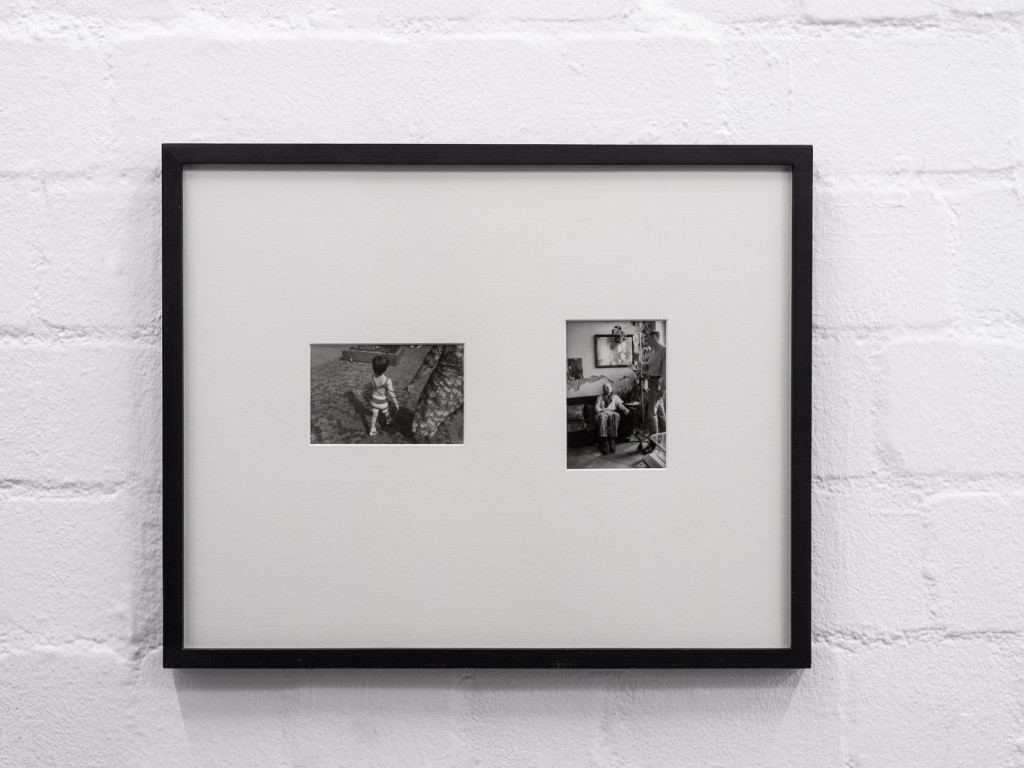
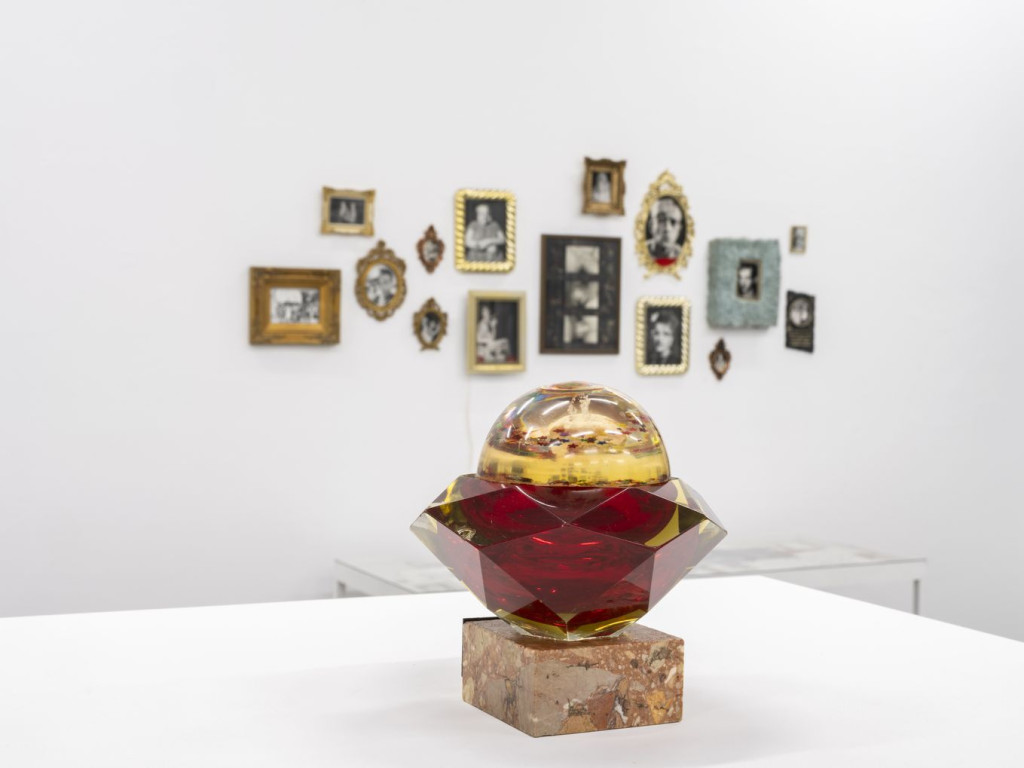
For the first time, the never shown sculptural works and excerpts from Baldiga's total of 40 diaries, which he kept from the late 1970s until his death, are presented here together with black-and-white photographs. The photographs reflect on Baldiga's niche sociotopes—first and foremost that of the “SchwuZ-Tunten,” and partly derive from two folders covered with red/blue plush fur. Baldiga here had collected his photographs in cheap plastic sheets and arranged them into dialectical pairs, in his own vision of a family.
Many of Baldiga's works conserve the burning desire to live while documenting the loss of a "culture of possibility" during a time of inhumane AIDS policies directed at those on the margins of society: queer people, people with substance use disorder, sex and immigrant workers, unhoused people, or just outcasts who were perceived as a risk to the "heterosexual public health" in the Federal Republic of Germany at the time. One might think here of Douglas Crimp's "list" of reclaimed, lost spaces, actions, and ideals of a queer lifeworld, which during the AIDS crisis came with the toll of death and were disparaged as abject.
Baldiga theatricalized many of his paintings into a supposed ode to polyamorous plots, to the sublimity of youthful beauty, to ancient pederasty fantasies, as well as to sheer potency, which emerged almost as a parody of his Catholic influence. He staged the portrayed subjects as self-exposers in the manner of the baroque martyr paintings of a Caravaggio: as Greek angelic and divine figures, but without a heroic patina sticking to them.
Baldiga preferred to shamelessly expose their crumbling facades, their literal muscular atrophy. The staged, often overdrawn poses in black and white, and makeshift objects in "camp" aesthetics became for Baldiga instruments and bearers of the macabre, of irony, which broke with stereotypes of those who were socially banished from imagined futures. This could be an AIDS patient, the unhoused person or the “Tunte” with wig and trinket and dressed in drag on the street, for whom camp as “bad taste” and “private code” became a survival strategy.
In this vision of Baldiga's community, it was no longer a matter of 'misfits' of the underworld, as Tom Kuppinger noted, since “with dignified indifference and self-evidence, this hermetic family world has long since left the conflict over otherness behind.” Instead of clinging to loss, Baldiga's dispossessed egos, brimming with sexual utopia in his works, to this day defy the waning of their community, while it has been lost, was simultaneously created—by Baldiga's portrayal of them as “mortal” beings, thus making them immortal in the first place: “As is hell, so is the earth. Where there is hell, there is earth.”
Text: Elisa R. Linn
Installation View / Photographer Fred Dott